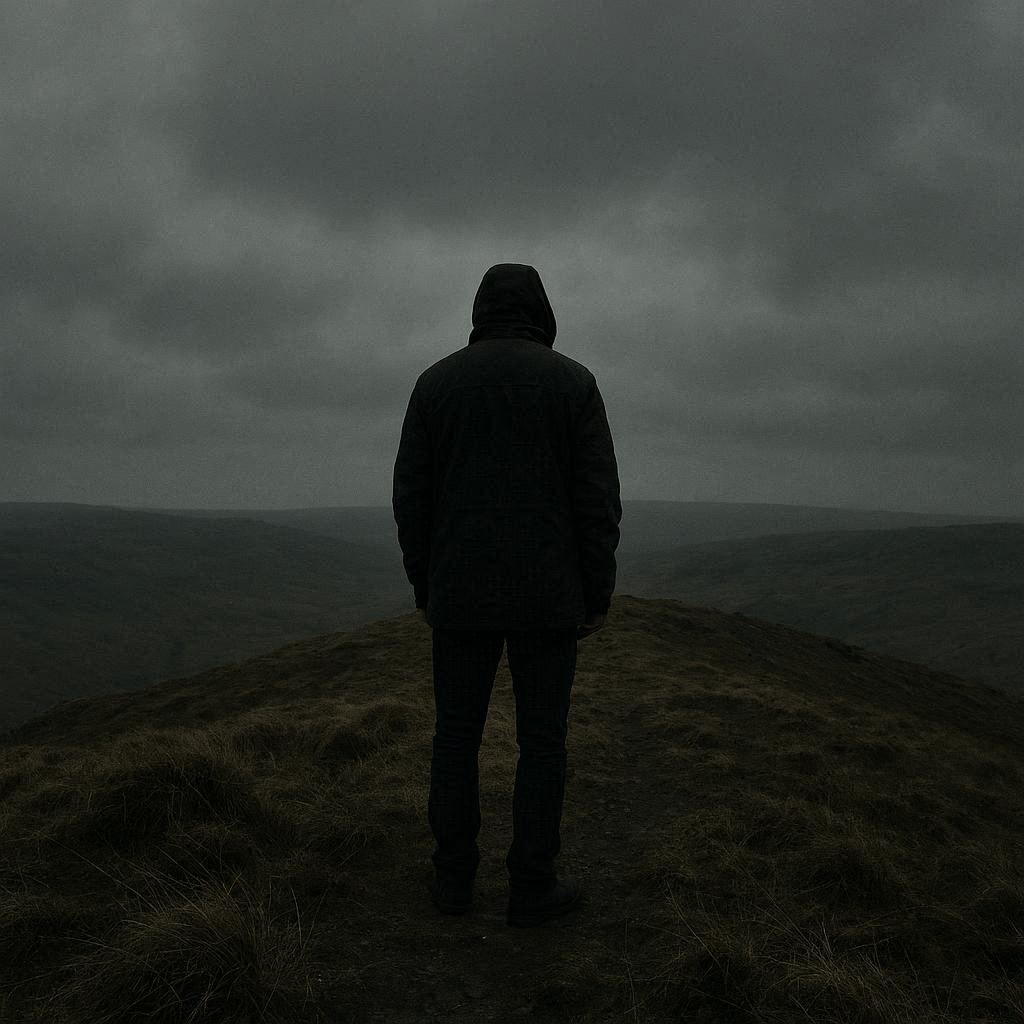
Suicide among older adults is an issue that receives far less attention than it deserves, despite its profound impact on families and communities. While public discussion often focuses on youth mental health, many older people face deep and persistent challenges that place them at significant risk. Their struggles are quieter, less visible, and too often misunderstood.
Across many countries, including New Zealand, suicide rates among older adults—particularly older men—remain troublingly high. These deaths are not isolated tragedies. They reflect patterns shaped by social, medical, and emotional pressures that accumulate over a lifetime. Age does not shield a person from despair, and resilience built over decades can be eroded by circumstances beyond one’s control.
Several factors contribute to this vulnerability. Social isolation is one of the most significant. Retirement, bereavement, and reduced mobility can shrink social circles, leaving many older adults without meaningful connection. Declining physical health, chronic pain, or disability can undermine independence and create a sense of burden. Loss of purpose after leaving the workforce, financial stress on fixed incomes, and long‑standing stigma around mental health further compound the problem. These pressures do not act alone, but together they can create a sense of hopelessness that becomes overwhelming.
Preventing suicide in later life requires compassion, awareness, and coordinated action. Strengthening social connection through community programs and regular check‑ins can reduce loneliness. Improving access to healthcare, particularly mental‑health support, allows early identification of distress. Supporting family caregivers, promoting age‑friendly environments, reducing stigma, and creating opportunities that restore purpose all play vital roles in prevention.
Above all, we must recognise that older adults are not simply recipients of care. They are valued members of our communities, with wisdom, experience, and stories that enrich us all. Their wellbeing is a measure of our collective humanity.
If we want to reduce suicide in this population, we must build communities where ageing does not mean isolation, where asking for help is met with understanding, and where every person—regardless of age—feels seen, supported, and valued.
New Zealand Suicide‑Prevention Resources:
- Ministry of Health – Suicide Prevention: https://www.health.govt.nz/strategies-initiatives/programmes-and-initiatives/mental-health-addiction-and-suicide-prevention/suicide-prevention
- Mental Health Foundation – Suicide Prevention: https://mentalhealth.org.nz/suicide-prevention
- LifeKeepers – National Suicide Prevention Training: https://www.lifekeepers.nz/
- LifeMatters Suicide Prevention Trust: https://www.lifematters.org.nz/
- Health New Zealand / Te Whatu Ora – Suicide and Prevention: https://info.health.nz/health-topics/mental-health/mental-health-conditions/suicide-prevention
Thank you for helping bring this issue into the public conversation.
A “thank you” to David McNicholas for sending this article to The Upper Hutt Connection.
15/01/26
 The Upper Hutt Connection