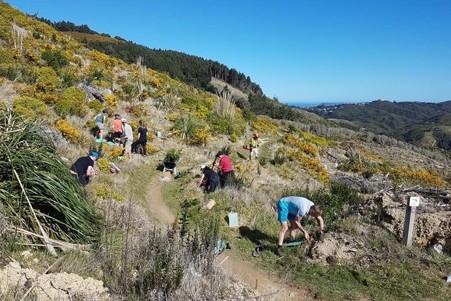
Belmont Regional Park is one of the Wellington region’s most treasured public spaces. While it is not located within Upper Hutt district, it is regularly used by Upper Hutt residents for walking, running, mountain biking, horse riding, family outings, and connecting with nature. It is a regional asset that serves communities across the wider Wellington region, including Upper Hutt. Greater Wellington itself promotes Belmont as a major recreational destination and a place of ecological and cultural significance.
At a time when mental health, physical wellbeing, and community resilience are increasingly important, the preservation and enhancement of public open space should be a priority. Research consistently shows that access to natural environments improves wellbeing, encourages physical activity, and strengthens community connections. Regional parks like Belmont are far more valuable as places for people and nature than as commercial grazing land.
This is why Greater Wellington’s Toitū Te Whenua Parks Network Plan established a clear direction to progressively phase out most grazing and focus on restoring healthy ecosystems, improving water quality, increasing biodiversity, reducing emissions, and enhancing recreation opportunities. The council’s own Belmont grazing documents state that the park’s focus has shifted from farming towards ecological restoration and improved public enjoyment.
The proposal to grant a four-year grazing licence over approximately 735 hectares of the park risks delaying that vision. Every year that restoration is postponed is another year of delayed native regeneration, delayed carbon sequestration, and delayed improvements to streams, wetlands, and wildlife habitat. The opportunity cost is significant. As Forest & Bird has argued in its submission, restoration delayed is restoration lost, because ecological recovery takes time and cannot simply be “caught up” later.
Supporters of continued grazing, including Preserve Belmont Farm Park, argue that farming and restoration can coexist. While farming has undoubtedly been part of Belmont’s history, the question before the community is what kind of future we want for one of our largest regional parks. Should Belmont continue to be managed primarily for livestock production, or should it become a landscape increasingly dominated by native forest, healthier waterways, richer biodiversity, and enhanced recreation opportunities?
For Upper Hutt residents, this question matters even though the park lies beyond the district boundary. Regional parks do not belong to one city or one community. They belong to all of us. The benefits of open space, cleaner water, biodiversity restoration, climate resilience, and outdoor recreation extend across the Wellington region. Future generations deserve the chance to experience a more natural Belmont than the one we inherited.
The community still has an opportunity to influence the outcome. Submissions on the proposed grazing licence close on 15 August 2026. Whether you live in Upper Hutt, Lower Hutt, Porirua, Wellington, or elsewhere in the region, now is the time to have your say. If you value public open space, ecological restoration, and the long-term wellbeing of our communities, I encourage you to lodge a submission supporting a future for Belmont that prioritises regeneration rather than further delaying it.
Belmont Regional Park is a regional treasure. Let us not miss this opportunity to leave it better than we found it
Sources: Greater Wellington Belmont Regional Park notices and grazing Expression of Interest documents; Toitū Te Whenua Parks Network Plan as referenced in Greater Wellington material. [gw.govt.nz], [gw.govt.nz]
A “thank you” to Barry Wards for sending this letter to The Upper Hutt Connection.
22/07/26

