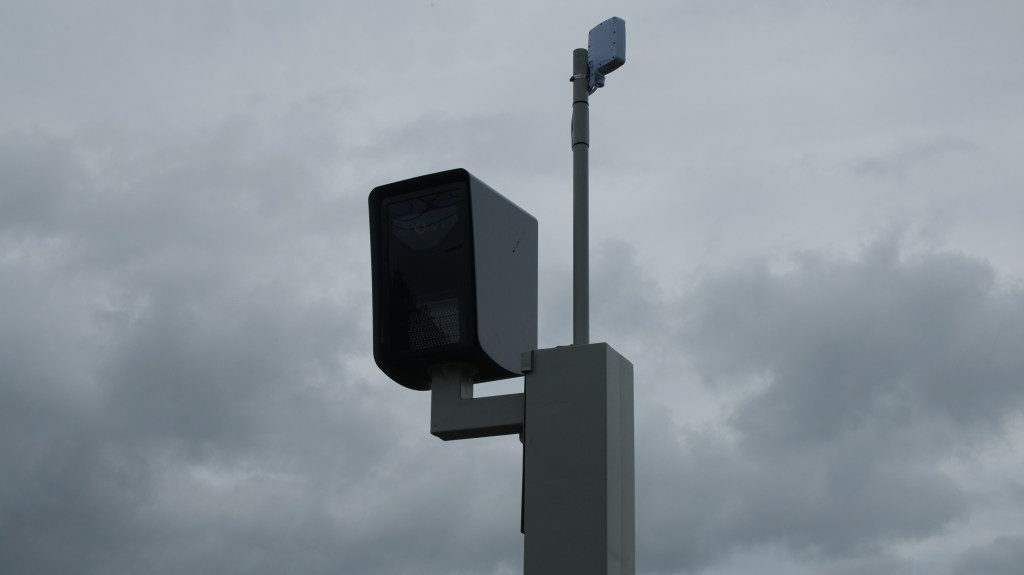
Off‑road construction is about to begin on new average speed safety cameras on State Highway 2 in Upper Hutt, aimed at reducing the risk of serious crashes on this busy stretch of road.
The work follows the announcement in November that Upper Hutt would be one of several locations around New Zealand where average speed safety cameras are being rolled out.
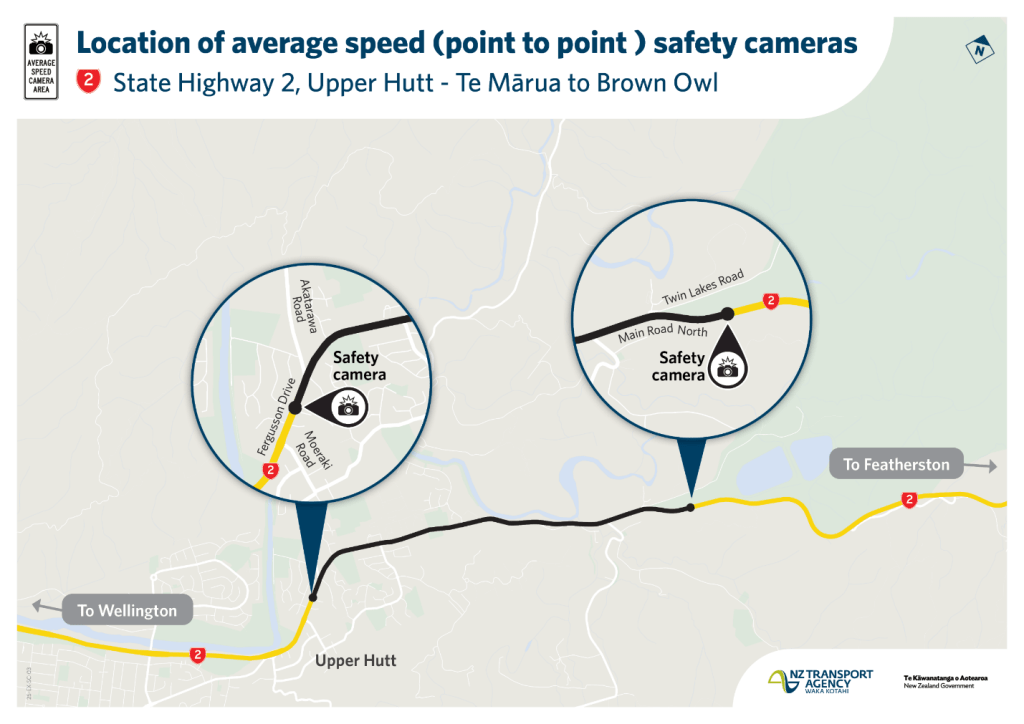
One camera will be in Te Mārua and another in the suburb of Brown Owl, about four kilometres to the west.
Average speed cameras measure how long it takes a vehicle to travel between two points. Drivers are only ticketed if they pass both cameras, and their average speed between them is over the limit.
Chris Rodley, NZ Transport Agency Waka Kotahi (NZTA) Head of Driving Regulation, says the cameras will help reduce the number of people being killed or seriously injured in crashes on this section of State Highway 2.
“Fourteen people died or were seriously injured in 12 crashes on this stretch of road between 2015 and September last year.”
“Evidence shows this risk can be reduced if people drive to the speed limit. By installing average speed safety cameras here we can encourage that – and if crashes do occur, the risk of death and serious harm is less. People do make mistakes on the roads. This is about reducing the consequences of those mistakes,” Mr Rodley says.
He says cutting crash rates brings other benefits as well.
“Crashes can close a road for hours at a time. Fewer crashes mean fewer road closures, and more consistent and reliable travel times. This is particularly important for this section of State Highway 2 where no local road detours are available, and a serious crash can completely sever access between Upper Hutt and Wairarapa.”
“A speed survey in June 2025 showed 81 percent of drivers were speeding on this section of State Highway 2. That is the highest percentage of all 17 sites around New Zealand where average speed cameras are being installed,” Mr Rodley says.
The cameras will begin operating later this year, with the date to be announced in the coming months.
Initial construction work is scheduled to begin on 23 March and take about three weeks. Crews will lay foundations, connect underground power supplies, and complete other enabling works. Traffic management will be place, including temporary reduced speed limits during work hours, but there should be little impact on road users.
Further work will be carried out in stages over the coming months, including installing poles, setting up the cameras, and putting up “average speed camera area” signs.
Mr Rodley says average speed safety cameras are widely used overseas and are being introduced throughout New Zealand.
“There is strong evidence that they could reduce deaths and serious injuries on suitable New Zealand roads by about 50 percent.”
“We’re seeing speeds come down where other average speed cameras are operating. Since the first average speed safety cameras began operating at Matakana Road in Warkworth, over 99 percent of vehicles are now travelling within the speed limit, compared with 88 percent when the first survey was carried out in September 2022,” Mr Rodley says.”
More information/Notes for editors:
- The stretch of road between the two Upper Hutt cameras is about four kilometres long.
- The speed limit is 80 km/h at the eastern end (Te Mārua) and 70 km/h at the western end (Brown Owl).
- Where there is more than one speed limit, cameras calculate an average weighted speed limit, based on the maximum speed a vehicle could travel if it followed the posted limits the whole way.
- The rollout supports enforcement of high‑risk behaviour, including speed, as part of the Government Policy Statement on Land Transport 2024.
- NZTA/Waka Kotahi does not receive any incentive or funding from tickets issued. Infringement fees go to the Government Consolidated Fund.
- More information and updates are available on the NZTA/Waka Kotahi website.
Plan for a safe, enjoyable journey. Keep up to date with:
- Traffic updates
- X
- Journey Planner
- Phone: 0800 4 HIGHWAYS (0800 44 44 49)
Source: NZ Transport Agency – Waka Kotahi
19/03/26
 The Upper Hutt Connection