Local People Making a Difference
Across Upper Hutt, residents and community groups are helping our native birds, lizards and forests to flourish. Pest Free Upper Hutt (PFUH) supports this growing network of backyard trappers and volunteers by sharing advice, connecting people with local projects and encouraging practical action against introduced predators and pest plants.
Since PFUH was established around October 2018, participating trappers in about 25 Upper Hutt suburbs have reported removing almost 15,000 rats, almost 5000 possums and over 500 stoats and weasels from the Upper Hutt area. It’s an impressive community effort, but continued trapping is essential because pests can quickly reinvade areas where control stops..
Formed in support of the national Predator Free 2050 vision, the group chose the broader “Pest Free” (rather than “Predator Free”) to reflect its interest in both introduced predators and pest plants and the strong link to Forest & Bird. In order to achieve our Vision, we must focus not only on the health of local birdlife, skinks, lizards etc but also on their habitats, the homes these species depend on.
How Can You Help?
At the recent Upper Hutt Spring Festival we enjoyed meeting many local residents who share our passions for protecting nature. People asked about planting days, Old Man’s Beard controls, forest restoration, local traplines and how they could get involved.
These conversations highlighted something encouraging: many people want to help but aren’t sure where to begin. Whether you maintain a trapline in your own backyard, join a trapline, volunteer on a planting day, learn to identify pest plants, or simply encourage a neighbour to get involved, every contribution helps strengthen our local environment. PFUH can provide advice and connect you with opportunities that suit your interests and available time.
Check Before Cutting Climbing Vines
At this time of year many flowering vines can be seen throughout Upper Hutt’s forests and reserves. Some native clematis species (eg Clematis paniculata) can be mistaken for Old Mans Beard (Clematis vitalba).
If you’re unsure what a vine is, leave it in place and seek advice before attempting removal. Old Mans Beard, which smothers our forests, is unlikely to be in bloom before the end of December through January. Taking clear photographs of the leaves, flowers and stems can help with identification. PFUH is always happy to assist and provide guidance on recognising and removing pest plants safely.
Keep Traps Working Through Spring
Spring is an important time for both native wildlife and pest control. Local trapping groups across Upper Hutt are already seeing signs of increased rodent activity, while recent catches of stoats and weasels are a timely reminder that predator control remains important throughout the year.
The good news is that community groups and volunteers are active – across rural areas like Whitemans Valley, Katherine Mansfield Valley, Silverstream, Pinehaven, Blue Mountains, Akatarawa Valley, Tunnel Gully, Te Marua or central Heretaunga, Trentham and Mt Marua plus neighbouring areas such as Korau Reserve. Together, these efforts form part of a wider network of conservation and restoration projects helping to improve habitat for native wildlife throughout the Hutt Valley.
The reports note that nearby conservation work has contributed to a thriving kiwi population in adjoining areas of the region, highlighting what can be achieved through long-term community action.
Residents can make a real difference by checking that backyard traps remain safe, baited, functioning properly, and encouraging neighbours to get involved. Every active trap contributes to a healthier environment for Upper Hutt’s birds, lizards and native forests.
An Upper Hutt Conservation Legacy
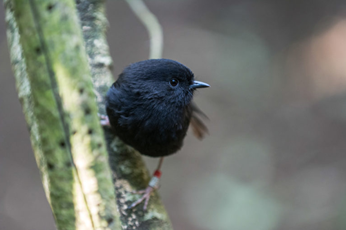
The recent Bird of the Year success of karure, the Chatham Islands black robin, is a timely reminder of what sustained conservation action can achieve.
Inspired by this, the Mahara Upper Hutt Community Archive recently posted a tribute to Upper Hutt conservation legend, Don Merton QSM CF (Queen’s Service Medal, Churchill Fellowship), who played a leading role in the extraordinary effort to save the species from extinction. In 1980, only five karure remained (making it the rarest bird in the world), with just a single breeding pair left. Through Dr. Merton’s leadership, innovative conservation methods and perseverance, that tiny population has slowly but surely grown to 350 birds today. All of these karure are descendants from the single breeding pair that was left in 1980, Old Blue (the only fertile female of the original five) and Old Yellow.
“In light of the mighty win for karure, this Throwback Thursday we’re celebrating Dr. Don Merton”.
The trapping, restoration and pest plant control efforts taking place across Upper Hutt today are part of that same conservation tradition epitomised by Don Merton. Every trap checked, every pest plant removed, and every volunteer who lends a hand contributes to a healthier future for our native wildlife.
Get Involved
Whether you can look after a single backyard trap, help maintain a community trapline, participate in a planting day, or learn more about pest plants, your contribution can make a difference.
Pest Free Upper Hutt
Facebook: Pest Free Upper Hutt
Email: pestfreeupperhutt@gmail.com
Article by Tony Chad
one of the PFUH Coordinators
A “thank you” to Tony Chad for sending this article to The Upper Hutt Connection.
28/09/26

