Dave Burt
THE CLIMATE CHANGE PROBLEM – WHAT PROBLEM?
Looking out the window as I write this it is a lovely summer’s day in Upper Hutt. It can be difficult to believe that we now face a climate crisis that will have increasingly significant impacts on us, our families and businesses and our Upper Hutt community over the coming decades and longer.
The word crisis is used here deliberately. Not because “climate change” will overwhelm us immediately if not addressed, but because the climate change process that is running continues to accelerate. The longer we delay, taking the necessary actions to avoid the impacts we know are otherwise coming, the worse the outcomes will be.
Making the needed changes and moving New Zealand to a low emissions economy will have costs, but these need to be set against the costs that not addressing climate change will impose on our health, our taonga plant and animal species and our communities amongst other things. Several analyses have been carried out by the expert body that advises the government in this area – the Climate Change Commission – and they have determined that the current (or even a more ambitious plan they recommended in 2024) makes sense economically. It should be noted that the current Government did not accept this advice.
Ignoring the problem will not make it go away, nor will wishful thinking. Our failure to act today will see tomorrow’s Upper Hutt inhabitants – our children and grandchildren – having to clean up, pay for and suffer the consequences of the huge climate mess we have helped create and failed to address.
THE CAUSE OF THE CLIMATE CRISIS AND WHY WE NEED TO ACT?
The Earth has been exposed to a number of natural climate events and cycles over its existence but conditions over the past 10,000 years have been stable and hugely beneficial for our development. The current climate crisis is unique however as it is the first one caused mainly by our activities.
Starting with the Industrial Revolution some 250 years ago, our burning of fossil fuels (coal, oil and gas) and land use changes have seen some chemicals, including carbon dioxide (a fossil fuel combustion product) and methane, build up in the atmosphere. These chemicals are known as “greenhouse gases” because they reflect, back to Earth, some of the heat energy, from the Sun – essential to keeping the Earth at a habitable temperature – that would otherwise be lost to space.
The result is that the energy flows that have kept Earth’s temperature at a stable level for thousands of years have been disrupted, and our planet is heating up. The average global temperature increase is now nearing 1.5C above pre-industrial temperatures and continues to rise at a rate not seen since well before the ancestors of the human race walked the Earth.
While the world has, collectively, significantly reduced emissions over the past twenty years and so avoided a catastrophic >5C temperature increase, we have not adequately reduced emissions to meet the much safer and internationally agreed 1.5C target. We are currently looking at a global temperature increase of ~3C by 2100.
There will be many impacts as a result, including a significant global sea level rise likely at least 0.5m that will expose hundreds of millions of people around the world o increased coastal flooding and a number of major cities requiring massive flood defences.
The climate is what makes up our weather (wind, rain, how hot or cold it is etc) over a period of years and is the sum of a large number of processes. These processes run at local, regional and global levels and at speeds ranging from daily (eg photosynthesis in plants) to many millions of years (eg weathering of rocks).
It is important to understand that, just because the impacts have been minimal so far (and, for many of us, confined to our town/city slowly getting hotter) does NOT mean that the impacts from climate change will continue along this gentle path.
Our failure to adequately address the problem has meant that, driven by the continual rise in emissions, the process is accelerating. Many of the processes involved interact with each other, mostly in ways that are destabilising. Sooner or later key global level systems, (e.g. the collapse of the two, vast ice sheets in Greenland and the Antarctic), will reach what have been identified as “tipping points”. They will then undergo a large, rapid, and likely irreversible (in human timescales) shift to a new state with potentially huge impacts on the planet – think many meters of sea level rise -that will take place over the coming decades, centuries and longer.
In short, the climate change process and the magnitude of its impacts will continue to increase until we take ownership of the problem and address it.
Making the needed changes and moving New Zealand to a low emissions economy will of course have some costs, but these need to be set against the costs that not addressing climate change will impose on our health, our taonga plant and animal species and our communities amongst other impacts.
The expert body that advises the government body on such matters, the Climate Change Commission, recently reviewed New Zealand’s 2050 (“net carbon zero”) target in the light of the situation that we, and the world are actually facing.
The Commission advised that our current 2050 emission reduction targets should be increased -i.e. we should reduce emissions faster than our current plan – Their recommended target is compatible with continued growth in GDP, and would be good for employment in most areas of the country .They also noted that economic and social benefits could follow reduced fossil fuel use and could also reduce the risk of New Zealand being forced into a more costly transition in future. [Their advice was not accepted by the Government.]
WHAT DOES THIS MEAN FOR NEW ZEALAND AND UPPER HUTT?
Globally, New Zealand, by virtue of its location, geography and economy, will be one of the least directly affected countries as climate change plays out. This does not mean that we can afford to be complacent about the future for two reasons. Firstly, over time, the impacts will still be major and will alter our communities and the way we live and play. Secondly, New Zealand is one of the group developed of countries that are primarily responsible for the climate crisis problem. We owe it to the countries which will be much more affected, including some of our Pacific neighbours to, at the very least, do our bit to rapidly reduce our emissions and help minimise the harms to them.
What will the impacts be in Upper Hutt:
1. It will keep on getting hotter – and there will be more hot days and fewer cold nights.
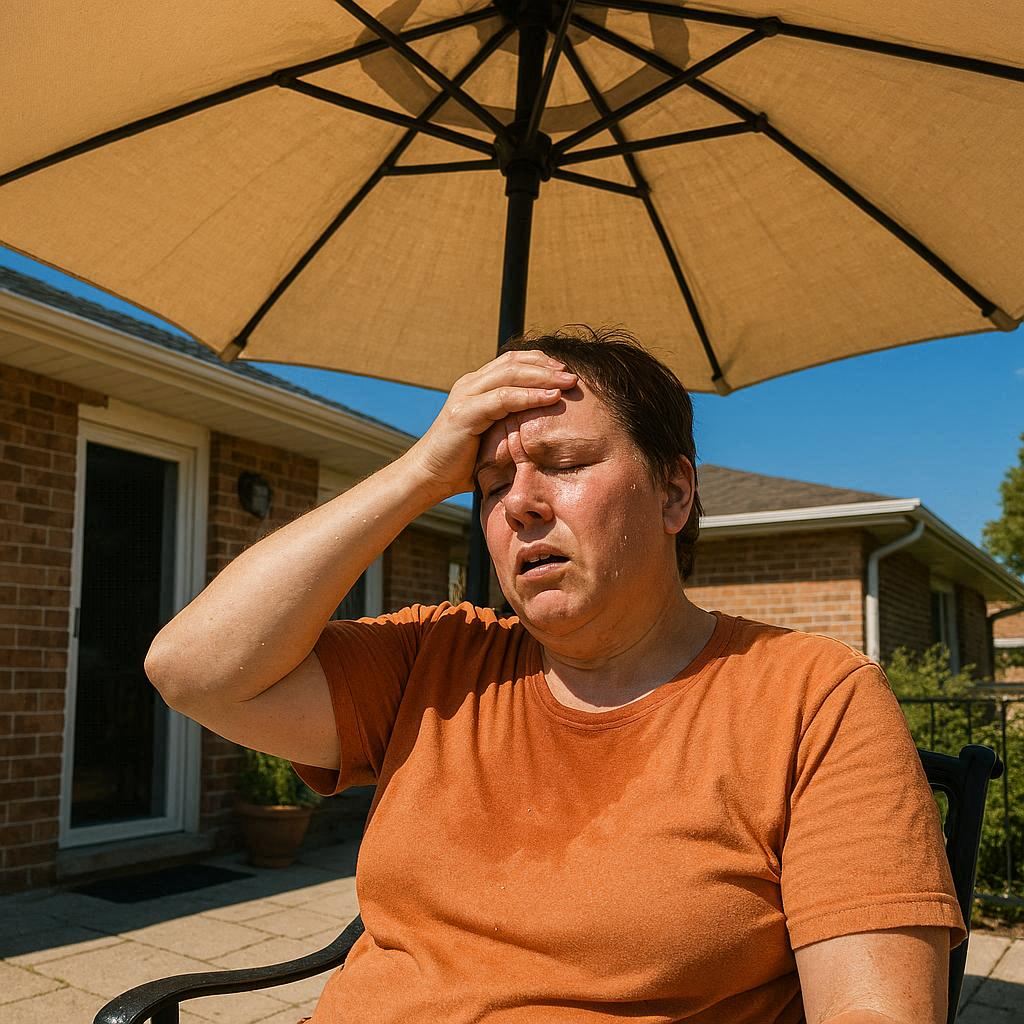
Increasingly hot summers including warmer nights, and warmer winters may appear to be a good thing but night-time temperatures above ~ 20C will affect how well we sleep. Heat stress can occur at temperatures >27C with the elderly, the chronically ill (and those people who can’t afford to buy and run air conditioning) the most affected.
Fewer frosts in winter will also kill off less of the pests and diseases that affect our vegetable and other food crops and so contribute to likely significant and on-going food-price increases.
2. Changes to rainfall patterns.
The frequency and size of storms will increase, (requiring our storm water systems to be upgraded and also bringing more flooding and slips) and we will also get more droughts and a higher risk of wildfires.
3. Sea Level Rise – and the indirect effects of this on Upper Hutt
Both Wellington City and Lower Hutt have significant areas that will be affected by sea level rise in future, and this will affect the functioning of these cities.. This issue is not one that will directly affect Upper Hutt city but it will affect the many people who either work in Wellington or Lower Hutt or visit these places recreationally or socially.
4. Economic and other impacts
Equally Upper Hutt City may benefit if people and/or businesses relocate here as a result of climate change pressures elsewhere.
Finally, insurance companies are already moving to risk-based pricing. This may see some Upper Hutt property owners paying significantly more for (e.g.) flood or other insurance in future, and where insurance companies lead, banks and other lending institutions follow.
WHAT CAN WE DO TO MINIMISE THE IMPACTS?
Impacts from climate change will increasingly affect us, our community and New Zealand as a whole over the coming decades and longer, but urgent action by us can still limit the worst damage.
It may appear that the problem is too large and complicated, or that nothing we can do will make any real difference so it is not worth trying. This is not true. Every action that we as individuals take is important, as it is the sum of these efforts, across our community that will see us deliver a resilient Upper Hutt for our children and grand-children to enjoy.
Not everyone is able to take action at this time. Economic times are tough for a lot of people and there is no time for more than the basics – trying to provide a home and enough food for our families and pay the other bills.
However, for those of us, whether as individuals, families, business owners or community members, that are in a position to act (and there are a lot of us), there are several areas in which we can choose to do things differently.
Overall, we need to do two things; reduce emissions (mitigate) – the most urgent change needed – and we also need to help prepare Upper Hutt to deal with (i.e. adapt to) the future impacts that are already “locked in”.
One of the ways to get a handle on our personal or family emissions is to use a Carbon Calculator. For the most accurate results it is important to understand how the result is derived but a number of calculators can quickly and easily provide us with a figure to use as a starting point at least. One I have tried out that is very easy and simple to use is the ClimateHero Carbon Calculator
Reduce transport emissions from vehicles that burn fossil fuels
Transport is the largest contributor to household carbon dioxide emissions. To reduce them walk, cycle (manual or E-bike) or take public transport (trains and buses) where possible AND/OR swap your petrol/diesel) engined car/ute/SUV/truck for an electric/hybrid vehicle. A change to an EV has the potential to save several tonnes of emissions a year – more if your ICE vehicle is older and/or a higher emitter of carbon dioxide. Walking and cycling will also improve your health. However, the cost of these items can be a major barrier.
Reduce emissions from housing and household utilities (heating, cooling and powering the house)
Most carbon dioxide emissions associated with buildings are operational, from the energy used to heat, cool and power them but embodied emissions (from the materials used in its construction) can also be significant.
To reduce operational emissions use electricity rather than gas, oil or coal for hot water and home heating and cooking. If you are wanting to build/buy a new home, then consider a house that is designed to be more sustainable and energy efficient than the NZ Building Code requires.
Reduce emissions from the food and drink that we consume.
New Zealand farmers are very efficient producers, from both economic and climate change perspectives, of dairy and meat products.
Nevertheless, emissions from the production of beef and sheep meat are significant and agriculture produces around half of New Zealand’s emissions – mainly methane. Eating less meat and dairy products will benefit the planet and likely your wallet.
Reduce waste
Everything we throw out took energy and natural resources to produce. While not everything we use can be recycled it is important to keep a focus on sustainability in mind by reducing (minimising the amount of waste we produce) , reusing (use more than once) and recycling (finding a new use for a product rather than throwing it away) in mind.
Helping with adaptation planning is also important for our City.
Making sure that the right buildings and other structures (including 3 Waters infrastructure) are the right size and in the right places – and that they take into account the demands that climate change will make – is one of the critical functions of our City Council.
There is lot of work that remains to be done in this area, but work is getting underway such as the publication, recently, of the National Adaptation Framework, designed to help manage the growing risks we face.
Local authorities will play a key part of this work as getting the right outcomes will be essential for the development of thriving communities in a climate changed future and there will be opportunities for us to engage with UHCC on this vital issue.
Last but not least, we can lend our voices and, even better, our help and our votes, to the people and organisations that are already working to address climate change – or to help make the changes at local and national levels that are needed to address climate change and set Upper Hutt and its current and future citizens on a path to a resilient and sustainable community that we can all enjoy.
MORE INFORMATION:
There is a lot of information available including:
BBC a really simple guide to climate change
Climate and weather from Earth Sciences New Zealand (previously NIWA)
Greater Wellington Regional Council Climate change
Some blogs and information on a range of climate change topics is available at my website http://nzclimatecrisis.co.nz Consider also joining the Upper Hutt Climate Change Facebook Group. The focus this year will be on engaging with the City Council to ensure that climate change, sustainability and resilience are a key part of the vision for Upper Hutt.
A “thank you” to Dave Burt for sending this article to The Upper Hutt Connection.
12/01/26
 The Upper Hutt Connection